Minimalist Lifestyle Ideas for a Simpler Everyday Life
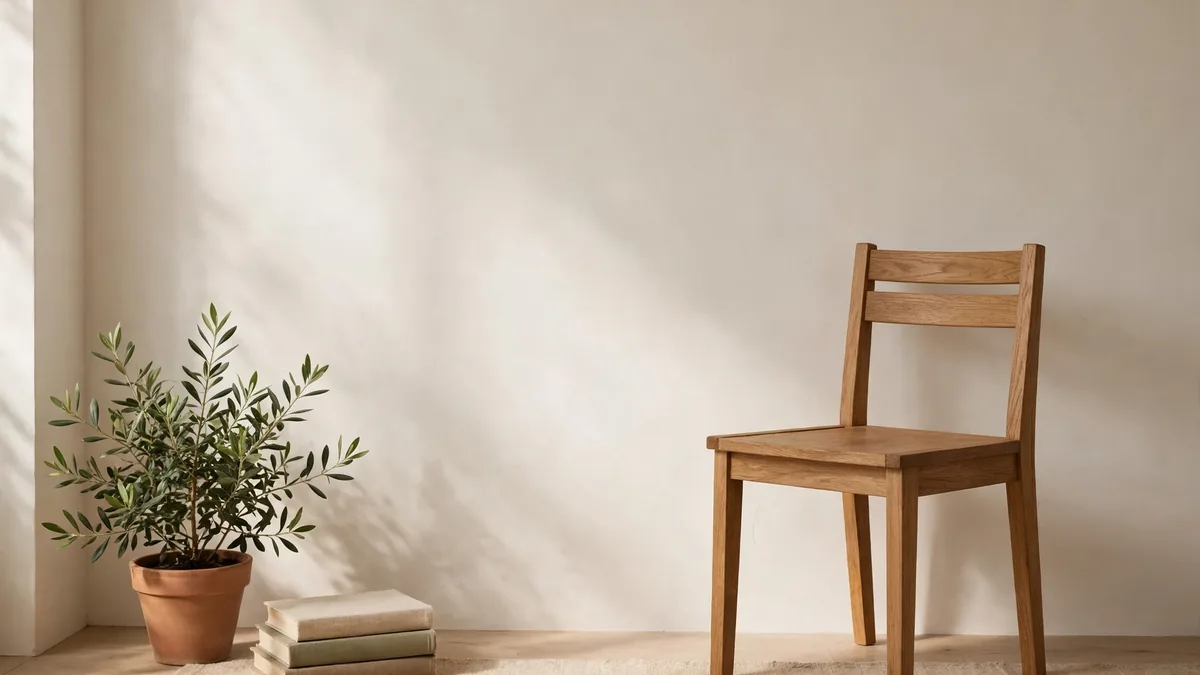
Minimalist lifestyle ideas are often pictured as an empty white room, a tiny wardrobe and a life without colour or comfort. For most people, that picture is neither appealing nor practical. Real minimalism is simpler and kinder than that. It means keeping what supports your life, letting go of what quietly drains your time, money and attention, and making everyday routines easier to manage.
You do not need to change everything at once, count your possessions or follow anyone else’s rules. Small, steady changes — one drawer, one habit, one commitment at a time — can make home feel calmer and days feel less crowded. This guide shares practical ideas you can adapt to a family home, a shared flat or a busy schedule.
What Minimalist Lifestyle Ideas Really Mean
Minimalism is not about owning as little as possible. It is about owning, doing and keeping enough, on purpose. A keen cook may happily keep a well-stocked kitchen, while someone who rarely cooks may need very little in it. Both can be minimalists, because both have chosen what earns its place.
A useful question runs through every idea below: does this help my life as it is now? If the answer is yes, keep it without guilt. If it is no, or only “maybe one day”, it may be a candidate to leave.
Simplify Your Home, One Area at a Time
Start Small and Visible
Begin where success is quick and noticeable: a bedside table, a bathroom shelf or the kitchen counter where post and keys gather. Clear everything off, clean the surface, then return only what you use daily. Find a proper home for the rest, recycle what is rubbish, and set aside what can be donated or sold. Small wins build momentum, and they teach you how good a clear surface feels without an exhausting whole-house project.
Give Everything a Home
Clutter often happens not because you own too much, but because items have nowhere clear to go. When every regular item has a place — hooks for keys, a tray for post, a box for chargers — tidying takes minutes instead of becoming a weekly battle. If something has no home and is rarely used, that is useful information. Either create a home because it matters, or let it go because it does not.
Use the One In, One Out Habit
When a new jumper, book or kitchen tool comes in, let a similar item go. This gentle habit keeps numbers steady without strict rules, and it makes you pause before buying: is this better than what I already have? For children and shared homes, apply the habit kindly and together, focusing on your own things first. Modelling calm choices works better than policing other people’s belongings.
A Simpler Wardrobe
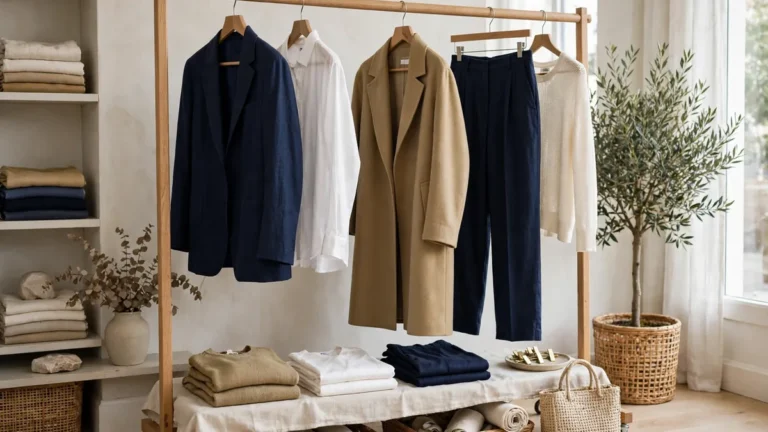
A minimalist wardrobe is not a uniform unless you want it to be. It is a wardrobe where most things fit, suit your life and work together.
Start by removing what does not fit now, what is uncomfortable and what needs a repair you will not do. Keep a small box for items you are unsure about; if you do not reach for them in the coming weeks, donate them. Organise what remains so you can see it. When shopping, favour versatile pieces in colours that combine well, and buy for the life you have this month, not an imagined future one.
Simplify Your Schedule and Commitments
A full diary can be as draining as a full house. Minimalism applies to time, too.
Review Your Regular Commitments
List your recurring activities for a month. Mark which ones you value, which ones are necessary, and which ones continue only from habit or guilt. You may not be able to drop everything in the third group, but even removing or reducing one creates breathing space. Leave small gaps between activities where you can. Back-to-back days leave no room for rest, delays or spontaneity, and they make even enjoyable things feel like obligations.
Make Routines Do the Heavy Lifting
Simple routines reduce daily decisions. A regular place for bags and shoes, a short evening tidy and a weekly meal outline can free surprising amounts of mental energy. The aim is not a rigid timetable, but dependable patterns that carry ordinary life with less effort. Batch similar tasks together, and keep a single, trusted list rather than scattered notes.
Simpler Money and Shopping Habits
Minimalist living often saves money, not through extreme frugality, but through fewer impulse decisions.
- Use a waiting period. For non-essential purchases, wait a few days. Many urges pass, and the ones that remain are clearer.
- Unsubscribe and unfollow freely. Fewer marketing messages and shopping prompts mean fewer temptations created for you.
- Buy quality where it counts. For items you use daily, durability and comfort usually offer better value than the cheapest option replaced often.
- Track what you actually use. If a subscription or service is rarely used, cancel it and see whether you miss it.
Keep a short list of things you genuinely need. Shopping with a list turns a vague browse into a quick, satisfying errand.
A Calmer Digital Life
Phones can hold as much clutter as cupboards. Clear your home screen to the apps you use daily, turn off non-urgent notifications, and organise files into a few broad folders. Set gentle boundaries: no phone at the table, a charging spot outside the bedroom, or a regular time to stop scrolling in the evening. Small boundaries work better than dramatic detoxes you cannot sustain.
Frequently Asked Questions
Do I have to get rid of sentimental items to be a minimalist?
No. Sentimental items that you love and have space for belong in a minimalist home. If you have more than you can enjoy or store, keep the pieces that carry the strongest memories, photograph the rest, and let them go with gratitude rather than guilt.
How do I start if my home feels overwhelming?
Choose one small, visible surface and spend fifteen minutes on it. Stop when the time is up, even if the job is imperfect. Repeat the next day in the next small area. Steady, short sessions are more sustainable than waiting for a free weekend.
Can minimalism work for families with children?
Yes, when it is flexible. Keep systems simple, involve children in sorting their own toys and clothes, rotate some toys out of sight, and focus on easy tidying rather than perfect order. Shared spaces will still look lived in, and that is fine.
How do I maintain a simpler life without slipping back?
Maintain little and often: a quick tidy in your evening routine, the one in, one out habit, and a brief monthly review of one cupboard, your subscriptions or your diary. Maintenance is easier than repeated fresh starts.
Conclusion
A simpler everyday life is built from ordinary decisions made with care: a clear surface, a wardrobe that works, a diary with space in it and shopping that serves real needs. You do not need an empty home or a strict rule book. Start with one small area, keep what genuinely helps, and let the rest go gradually. Over time, they create a life that feels calmer and more your own.