Modern Fashion Trends and How to Develop Your Personal Style
Modern fashion trends can be exciting, but they can also leave you with a wardrobe full of clothes and nothing you truly want to wear. If you follow every shift — oversized one season, sharp tailoring the next — getting dressed becomes confusing and expensive. People who look consistently well dressed tend to buy less, not more: they know what suits them, choose selectively, and wear what they own with ease. They understand themselves, choose trends selectively and wear their clothes with ease.
This guide looks at the fashion directions that keep returning, and shows how to turn the ideas you like into a personal style that lasts — one that still works when the season changes.
Modern Fashion Trends That Keep Returning
Fashion rarely moves in a straight line. Silhouettes widen and narrow, hemlines rise and fall, and colours come back into favour in new combinations. Underneath that cycle, a few directions return so often that they are worth treating as standing options rather than news: softer tailoring, one deliberate accent colour, and versatile pieces worn several ways. None of them needs to be “current” to work. The test is simpler — does it suit your body, your colours and your actual week?
Relaxed Tailoring
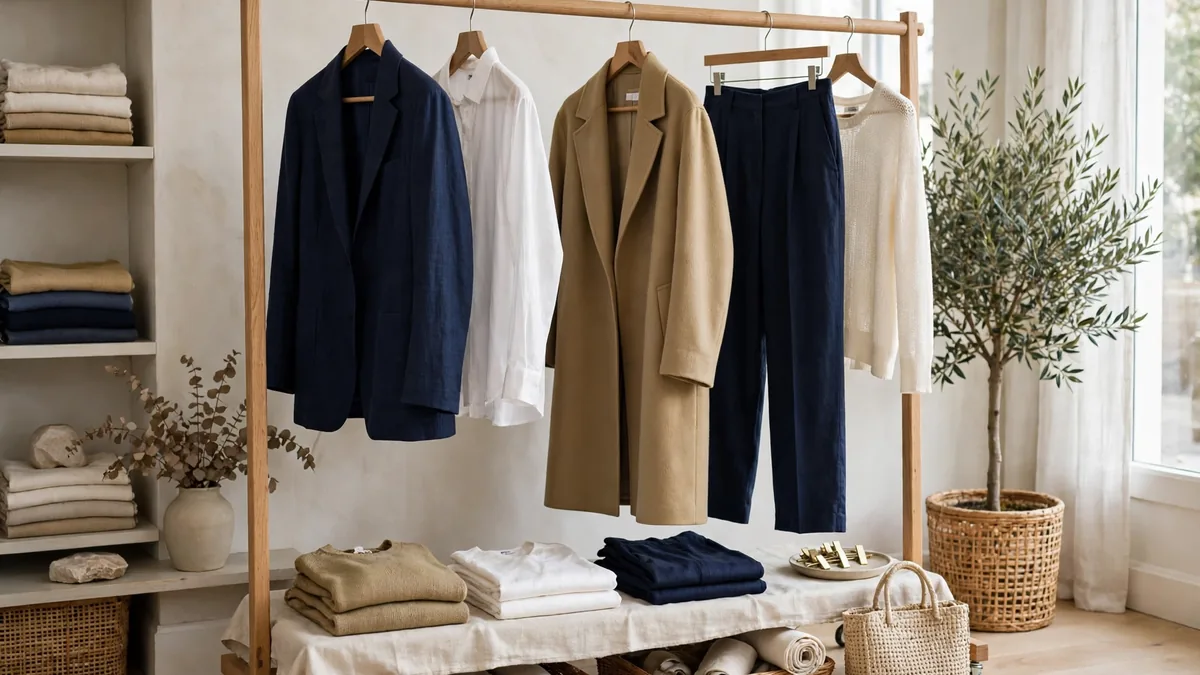
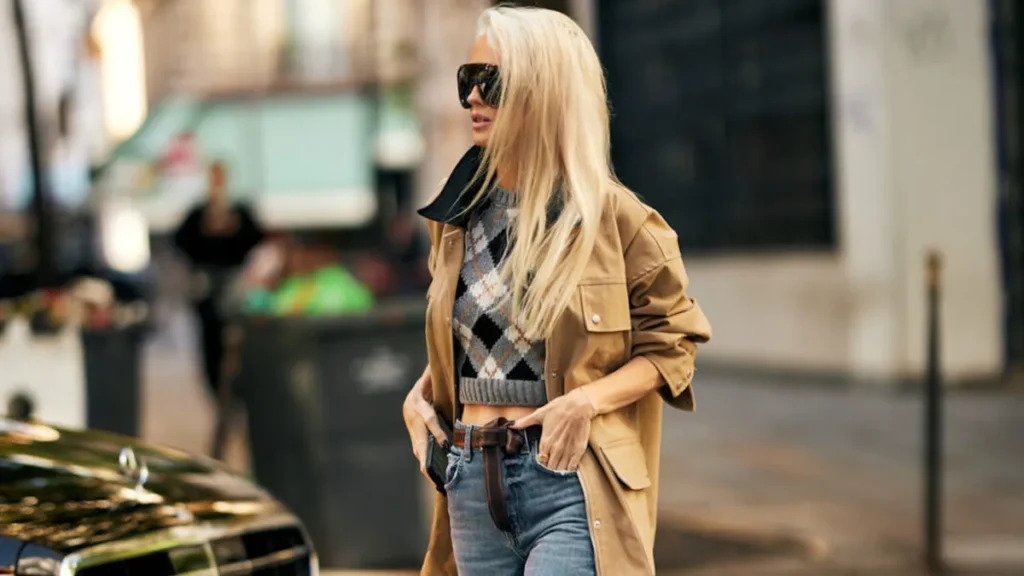
Blazers, trousers and shirts have become softer and less formal. A relaxed blazer with straight-leg trousers and trainers gives you polish without feeling stiff — structured enough for work, comfortable enough for the rest of the day. If you try one piece, choose a colour you already wear often, such as navy or stone, so it combines easily with what you own.
Colour With Intention
One reliable way to use colour is as an accent rather than a costume. Against a calm base of neutrals such as cream, camel and grey, a single strong piece — a red bag or a cobalt jumper — gives an outfit a focal point without demanding a whole new wardrobe. If bright colour feels too much, burgundy, olive or dusty blue can feel fresh without feeling loud.
Texture and Versatile Pieces
Linen, cotton, wool blends, denim and knits add depth even when an outfit is simple: a smooth shirt with textured knitwear, or matte trousers with a slight sheen in a shoe or bag. Fewer, better-fitting pieces worn several ways is the other direction worth borrowing. A midi dress that works with trainers by day and heeled shoes in the evening earns its place.
Why Personal Style Matters More Than Trends
Trends tell you what is available. Personal style tells you what is right for you. Without that filter, it is easy to buy things that look wonderful on someone else but feel wrong on your body, in your routine or in your climate.
Personal style is not a strict uniform or a clever label. It is simply a pattern: the colours you return to, the shapes that feel comfortable and the details that make an outfit feel like yours. Once you notice that pattern, shopping becomes calmer and dressing becomes quicker.
How to Develop Your Personal Style, Step by Step
1. Start With Your Real Life
List the places you actually go in a typical fortnight: work, errands, family visits, evenings out, exercise, rest at home. Then ask whether your wardrobe matches that life. Many wardrobes are full of clothes for an imagined life — very formal pieces or outfits for occasions that rarely happen. Your style should serve your real routine first, because everyday clothes affect how you feel most often.
2. Audit What You Already Own
Take out the pieces you wear repeatedly and happily, and ask why they work — the colour, fit, fabric or ease of combining them? These items hold clues to your style. Notice, too, what you avoid: a top that needs constant adjusting or shoes that pinch will stay unworn, however fashionable they are. Simply stop repeating purchases that do not work.
3. Choose a Simple Colour Palette
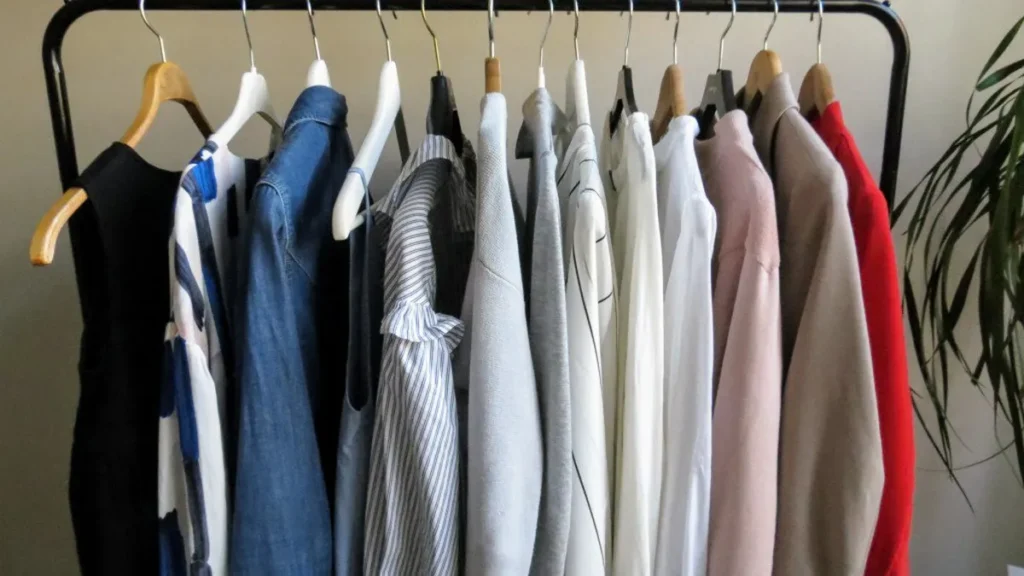
A small palette makes mixing and matching easier. Pick three or four base colours, such as navy, white and grey, then add two or three accents you enjoy. Patterns still fit, as long as they share a colour with your base palette. When you shop, picture a new item with three things you already own; if you cannot imagine three outfits, leave it.
4. Find Fits That Feel Good
Fit changes everything. Clothes do not need to be tight to look smart, nor oversized to feel modern. Look for shoulders that sit comfortably, waistbands that do not dig in and lengths that suit your height. Simple alterations can make an ordinary piece feel made for you. When trying something on, sit, walk and reach — if it only works standing still in front of a mirror, it will not work in daily life.
5. Build Outfits, Not Just Items
Think in complete outfits. A beautiful skirt is only useful if you have tops, shoes and a layer that work with it. Photograph outfits you enjoy on your phone; on rushed mornings, that small album is a practical shortcut.
The Steps in Practice
Take one ordinary fortnight as the test. Suppose your list from Step 1 is mostly office days, school runs, one family lunch and two evenings out. In the Step 2 audit, the pieces you reach for are navy trousers, two plain jumpers and a pair of trainers; the items you avoid are a formal dress and shoes that pinch. Step 3 confirms your palette almost by itself: navy, grey and white, with burgundy as the accent you already enjoy. Step 4 explains the avoided shoes, and the dress turns out to belong to an imagined life rather than this one.
That leaves one honest gap from Step 5: the jumpers make outfits for work and weekends, but nothing lifts them for the evenings out. Rather than buying a new outfit, test the current soft-tailoring direction in the cheapest useful way — one relaxed blazer in navy, a colour already in the palette, tried on with the trousers and both jumpers before you pay. Three outfits from one purchase is a trend earning its place; a fourth item that only works with one combination can go back.
How to Use Trends Without Being Used by Them
Use trends as a menu, not an instruction.
- Try the trend in a small way first. Test a new colour in a scarf or top before buying a coat in it.
- Choose one trend per outfit. One statement piece looks confident; three competing statements can feel chaotic.
- Prefer trends that suit your palette and fit preferences. A trend that aligns with your style will last in your wardrobe after the moment passes.
- Wait a week on non-essential purchases. If you still want it and can picture three outfits, it is a stronger candidate.
- Borrow or swap for very occasional pieces. This suits one-off events where buying new may not be worthwhile.
Common Style Mistakes to Avoid
Buying only for discounts. A reduced price is not the same as value. If you would not consider an item at full price, the discount is deciding for you, and the result is a wardrobe of nearly-right pieces that still leave you with nothing to wear. Judge the item first — fit, colour, three outfits — and let the price be the last check, not the first.
Ignoring comfort. Clothes that need adjusting, shoes that pinch and fabrics that itch are not worn, however flattering they looked in the changing room. The cost is not just the money; it is the repeated morning decision to reach past them. Test movement before you buy: sit, walk, reach. If a piece only works standing still in front of a mirror, it will not work in daily life.
Copying someone else’s style wholesale. An outfit that suits a different body, budget, climate or routine will usually disappoint when it is copied exactly, because style is partly fit to a life. Borrow the principle instead of the purchase: if you admire how someone uses one strong colour, test that idea inside your own palette rather than buying their exact pieces.
Your style can also evolve as life changes — a new job, a different climate, a changed body. That is a reason to adjust the pattern, not a failure of it.
Frequently Asked Questions
How do I find my personal style if I like many different looks?
Start with what you wear most, not what you admire most. Your repeated choices reveal your core style. You can still enjoy different looks, but let your core colours and fits hold them together so your wardrobe feels connected.
How many clothes do I need for a versatile wardrobe?
There is no correct number. Aim for enough well-fitting everyday pieces to cover your laundry cycle and usual activities, plus a smaller number for smarter or special occasions. Usefulness matters more than quantity.
Can I follow trends on a small budget?
Yes. Focus on fit, care and clever combinations first, which cost nothing. When you do buy, choose one trend-led piece that works with several outfits, consider second-hand options, and look after what you own so it lasts longer.
What should I buy first if I am starting again?
Begin with everyday gaps: trousers or a skirt that fits well, two tops in your base colours, a layer such as a blazer or cardigan, and comfortable shoes. Build from what you will wear weekly.
Conclusion
Fashion is at its best when it gives you ideas, not pressure. Soft tailoring, a deliberate accent colour and pieces that work several ways are worth borrowing whenever they appear — but let your own life lead the decisions. When you organise your wardrobe around comfort, fit and colours you love, trends become easy to use — and easy to ignore. That is personal style: feeling like yourself, every day.