Wedding Style Inspiration: Ideas for a Beautiful Celebration
Beautiful wedding style inspiration is rarely about doing everything. It is about choosing a few ideas that suit you as a couple, carrying them through with care, and leaving room for the day itself to unfold. Guests remember how a celebration felt — relaxed, welcoming and personal — far more than whether every detail matched a trend.
Whether you are planning your own wedding or choosing an outfit as a guest, this guide offers gentle inspiration to adapt to your budget, venue and culture. The most successful celebrations look considered, not copied.
Start With a Mood, Not a Shopping List
Before choosing outfits, flowers or table settings, agree on three words for the day. They might be calm, joyful and classic, or bright, informal and garden-like. Those words become a helpful filter. When a new idea appears, ask whether it fits. If it does not, you can admire it and let it go.
A mood also helps suppliers work together. Share your words and colours with your florist or photographer, rather than a huge folder of unrelated ideas.
Choose a Colour Palette You Can Actually Use
A palette of two main colours, one neutral and one natural or metallic accent is usually enough. For example:
- Ivory, sage and soft gold for a calm, classic feel
- Blush, burgundy and cream for a romantic autumn mood
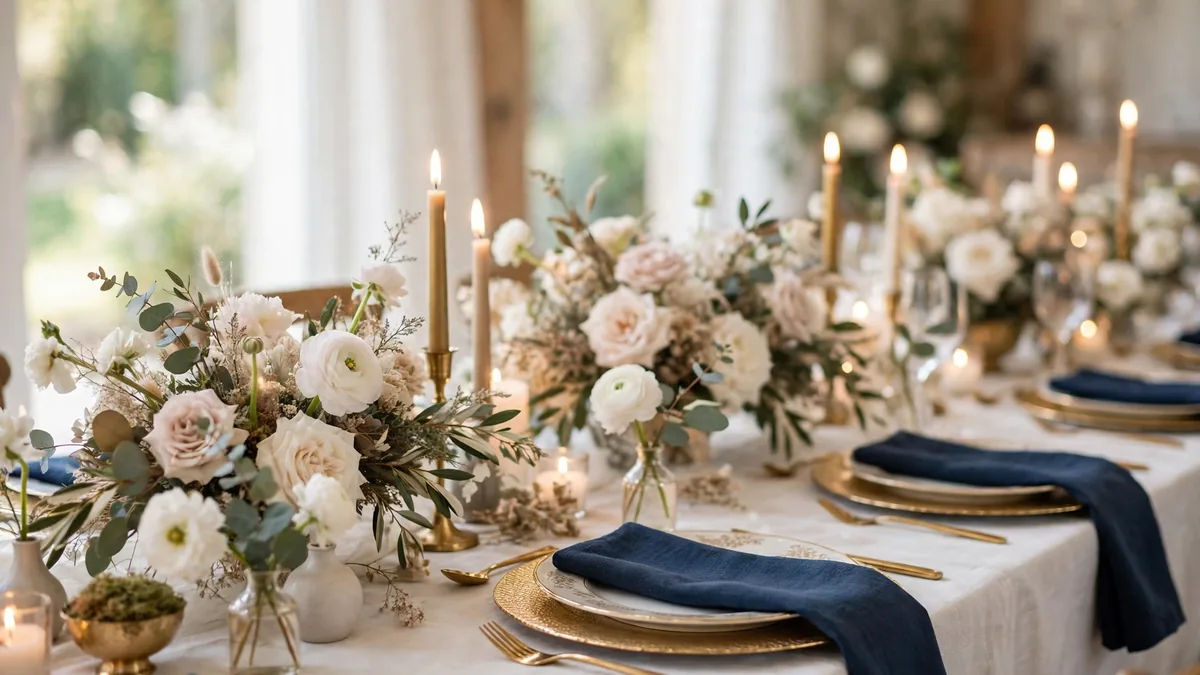
- Navy, white and greenery for a clean, smart look
- Terracotta, cream and olive for a warm, relaxed celebration
Use the palette flexibly to guide flowers, stationery and outfits, not to force an exact match. Slight variation looks natural and photographs beautifully.
Wedding Style Inspiration: Outfits That Feel Like You
For the Couple
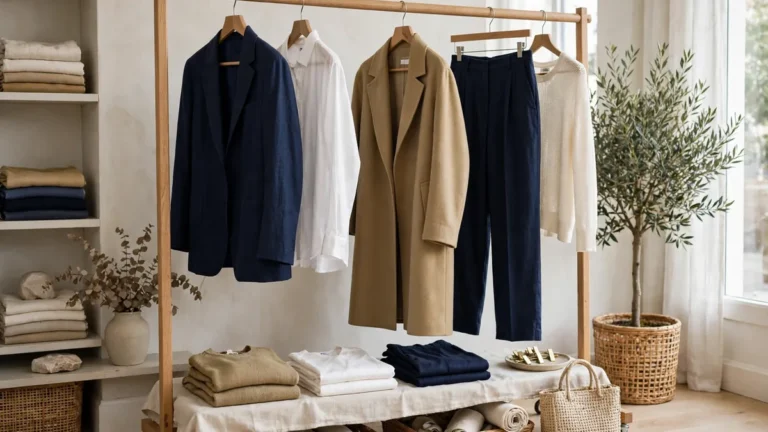
The best outfit is one in which you can move, hug, dance and forget about how you look for a while. When trying pieces on, sit down, walk and lift your arms. Check how the fabric behaves in daylight as well as in the shop.
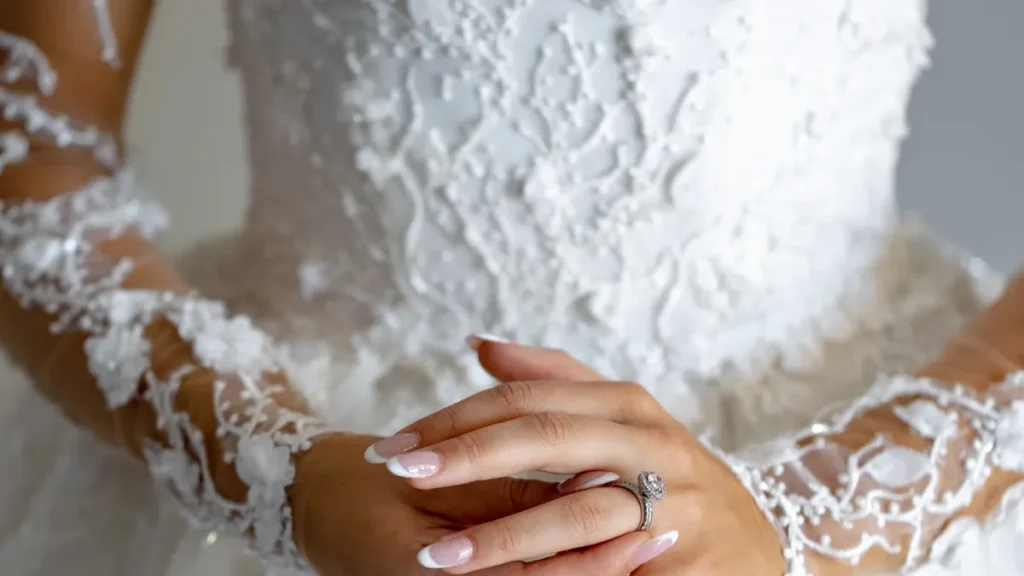
Classic shapes endure because they flatter many people and age well in photographs, but a modern detail — a clean neckline, a soft sleeve or a well-cut suit in an unusual colour — can make a classic look personal. Balance a bolder idea with simple accessories so the overall look stays clear. A classic wedding dress in a simple shape often photographs best.
Comfort matters with shoes, too. If you are not used to high heels, choose a lower heel, a block heel or an elegant flat. Many people keep a second, comfortable pair for the evening — a small decision that can save the whole night.
For the Wedding Party
Coordinated does not have to mean identical. Giving attendants the same palette but different necklines or silhouettes often looks better and feels kinder, because people have different bodies and preferences. For suits, a shared colour and tie or pocket detail can unite the group without everyone looking the same. Agree early on who is buying what, so there are no surprises later.
For Guests
A guest outfit should respect the invitation, venue and weather. Check the dress code, avoid the main bridal colour where that is customary, and choose something you can sit and eat in comfortably. A smart dress, tailored jumpsuit or suit can all work. Outdoors, wedge heels or flats are kinder on lawns, and a light layer helps when the evening cools.
Ceremony and Venue Styling
Keep the Focus Where It Belongs
The ceremony space needs very little to feel special. A simple arrangement where you will stand, tidy seating and good light do most of the work. If you add an arch or backdrop, choose one focal idea rather than several competing ones. Flowers from the ceremony can often move to the reception tables afterwards — reuse is practical as well as thoughtful.
Flowers Without Waste or Stress
Seasonal, locally available flowers are often fresher and easier to source. Tell your florist your palette, mood words and any flowers you dislike, then let them suggest what is available. Invest in a few larger arrangements for the most photographed places, and use simpler greenery or candles elsewhere. Bouquets do not need to be huge; shape and colour matter more than size.
Reception Details Guests Actually Notice
Tables That Invite Conversation
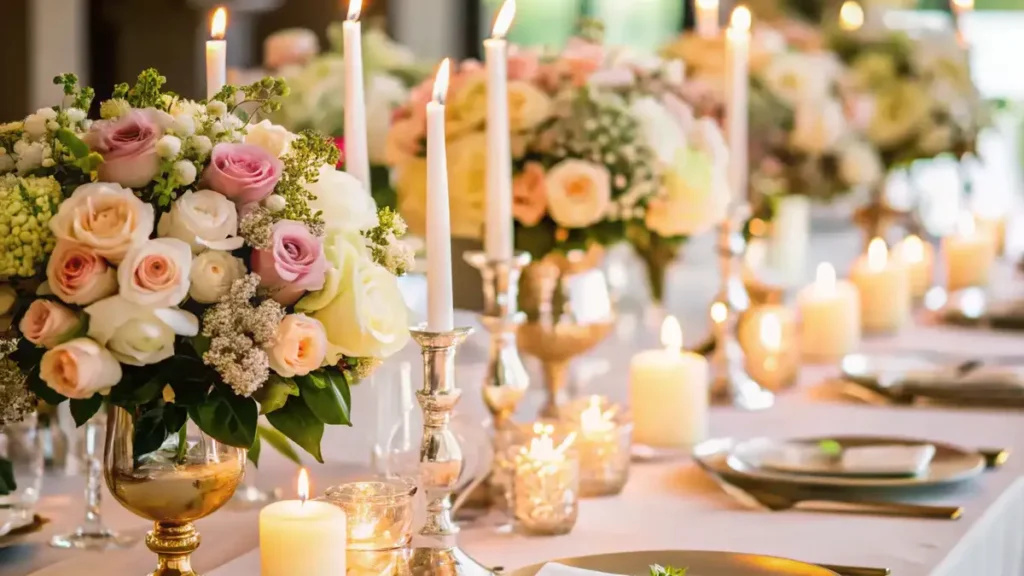
Low centrepieces, whether flowers or candles, let guests see each other, and warm candlelight creates atmosphere without large decorations. Keep table numbers clear and avoid strongly scented flowers where food is served. Small personal touches — a handwritten thank-you note, or a menu explaining a dish that matters to you — mean more than expensive extras.
Food, Music and Pacing
Guests notice comfort: enough food, water available, music at a volume where they can still talk, and a day without long, unexplained waits. If you must choose between another decorative item and better pacing, pacing usually wins. If your venue allows it, include a quieter corner for older guests or parents with babies.
Thoughtful, Optional Extras
A guest book, a small display of family wedding photographs or a box for cards add personality simply. Favours are optional; if you choose them, edible or useful items are less likely to be left behind. A good meal, kind hosts and time to talk are entertainment enough.
Working to a Budget Without Losing Style
Decide your top three priorities as a couple — perhaps photography, food and outfits — and protect the budget for those. Save on the items you care about least. Elegant does not mean expensive: clean stationery, plain linens in a good colour and well-chosen music can create a polished feel for very little.
Borrow where you can, buy second-hand for decorations that are widely resold after weddings, and check what your venue already includes before ordering anything. Most importantly, stop browsing new ideas once your main decisions are made. Endless looking creates doubt and extra spending. Trust your three words and your palette.
A Simple Way to Protect the Budget
Once you have chosen your top three priorities, turn them into a working list before you book anything else. Create three columns — item, best quote, and decision — and add every cost to the same list, including the small ones that are easy to forget: alterations, delivery, printing, extra hours, cake cutting, transport and tips where they apply. Beside the list, keep a separate contingency line. Do not hide contingency inside individual items; if it is spent quietly in five places, you will not know what is left when something genuinely changes.
Then decide your cut order in advance, while the choice is still calm. For example, if photography and food are priorities but elaborate favours are not, the favours are simplified first. If the venue already provides tables, chairs and decent lighting, décor can stay simple and ceremony flowers can be moved to the reception instead of buying a second set. When you compare suppliers, ask the same questions each time: what exactly is included, what costs extra, when are payments due, and what happens if the timing changes? Clear answers are part of style too — they prevent the rushed purchases that make a wedding feel expensive without making it feel better.
Frequently Asked Questions
How far in advance should we choose our wedding style?
Start with your mood and palette once the venue and date are set, because season and setting shape almost every other choice. Outfits, flowers and stationery are easier to organise once that foundation is clear.
What if our families want a different style from us?
Listen, explain your mood words, and look for one or two meaningful places to include family traditions — a reading, a dish or a piece of music, for example. Compromise on details is often easier when the overall plan is shared early and kindly.
How can guests look stylish without overspending?
Wear something well-fitting that you already own, styled differently with accessories, or choose a versatile new piece you will wear again. Neat shoes, pressed clothes and a considered layer matter more than an entirely new outfit.
Do all our decorations need to match perfectly?
No. A shared palette and a consistent mood are enough. Slight differences in shade, texture and shape look natural, especially in photographs, and they make planning far less stressful.
Conclusion
A beautiful celebration is built on clarity and kindness: a clear mood, a workable palette, comfortable outfits and details that help guests relax. Choose what genuinely suits you, spend where it matters most to you, and let the rest stay simple. The photographs will show people having a good day — the inspiration worth keeping.