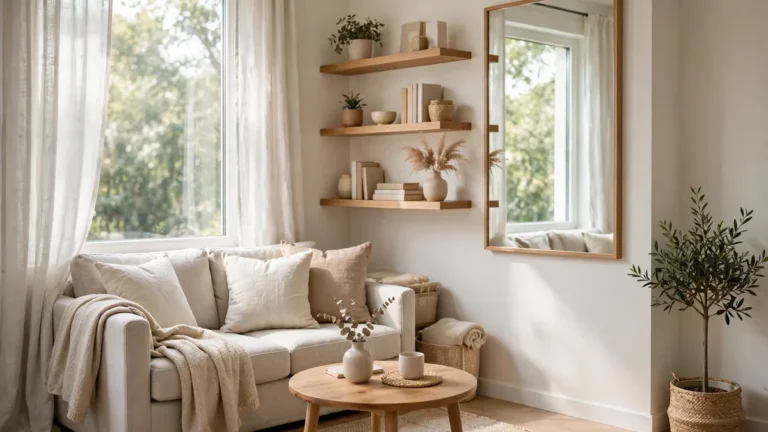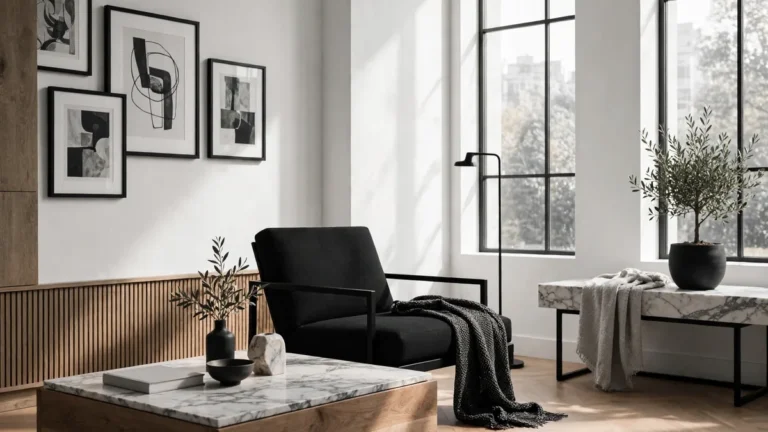
Modern Home Design Ideas for a Stylish Living Space
Modern home design ideas are not about following every new trend or filling a room with expensive furniture. It is about making thoughtful choices that suit the way you actually live. When a space is well organised, comfortable to move through and easy to look after, it naturally feels more elegant.
Modern design works best when it balances clean lines with warmth, so a room looks polished without feeling cold or impersonal.
Whether you are refreshing one room or rethinking your whole home, start with layout and lighting, then build in colour, texture and storage. Small, deliberate changes often make a bigger difference than one dramatic purchase.
Start With a Clear, Comfortable Layout
Good design begins before you choose a single cushion. The way furniture is arranged decides how a room feels and how easy it is to use every day.
Leave Room to Breathe
Modern interiors favour space around furniture rather than pieces pushed tightly together. Leave clear walking routes between the sofa, coffee table and doorway, and avoid blocking natural light with tall furniture. If a room feels cramped, try removing one item before adding anything new. A single well-chosen armchair often looks better than two chairs squeezed into a corner.
Pull seating slightly away from the walls where you can. Even a few centimetres can make a grouping feel intentional rather than temporary. Arrange chairs and sofas so people can talk comfortably without turning or shouting across the room.
Define Zones in Open Spaces
Open-plan living is popular, but a large open room can feel vague without some structure. Use a rug to anchor the seating area, a low bookcase to suggest a reading corner, or a console table behind a sofa to separate living and dining zones. These gentle boundaries keep the openness you enjoy while giving each activity its own place.
Choose a Calm, Cohesive Colour Palette
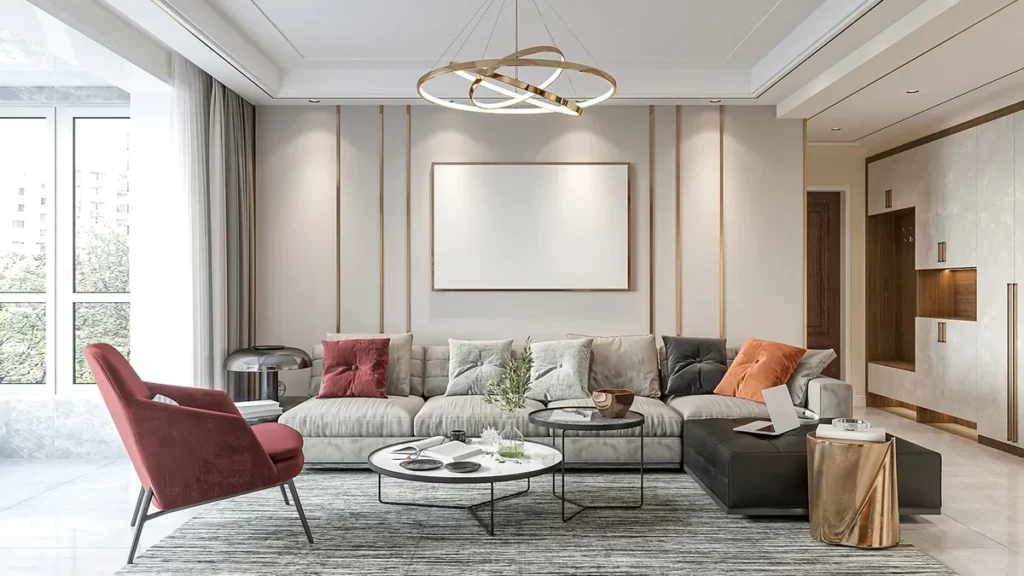
Colour sets the mood of a modern home more than any single object. A restrained palette makes it easier for furniture, art and textiles from different shops to sit happily together.
Build Around Neutrals, Then Add Accent Colour
Warm white, soft grey, stone and pale beige make a versatile base for walls and larger furniture. They reflect light well and do not date as quickly as bolder choices. Once the base feels right, add colour through items that are easy to change: cushions, throws, artwork, a painted side table or a single accent chair.
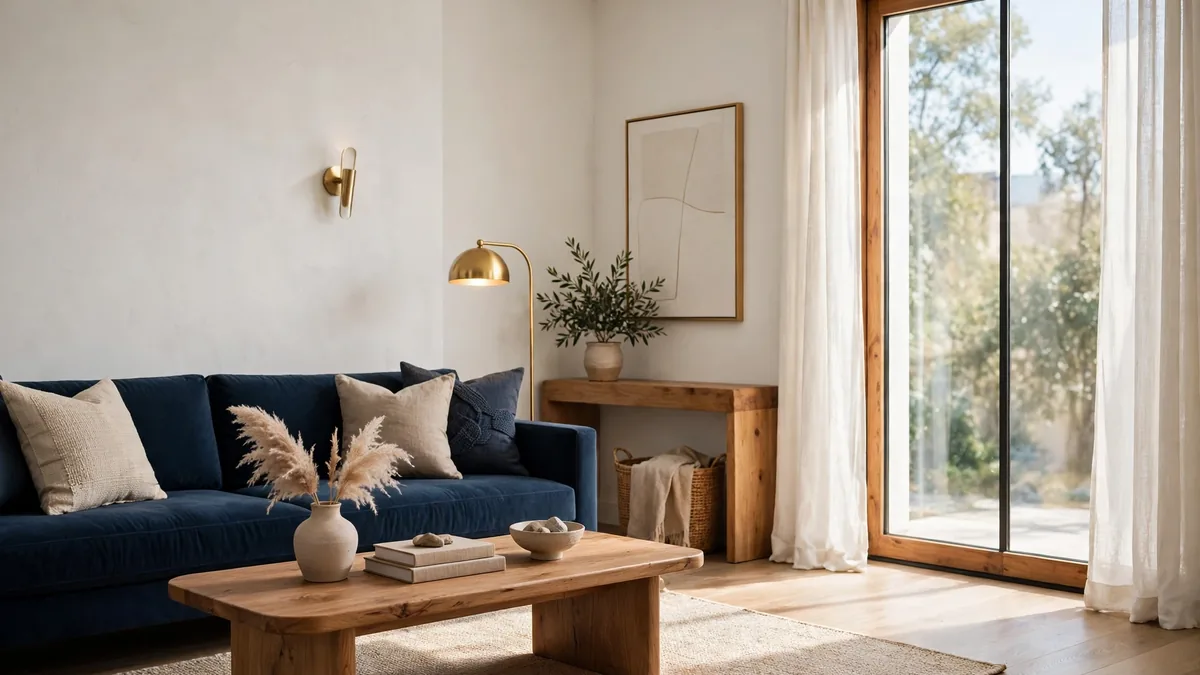
For example, a neutral living room might use deep green cushions and a brass floor lamp for contrast. A bedroom could keep bedding plain and introduce colour with a patterned rug or a painted bedside cabinet. Limiting accent colours to two or three keeps the scheme feeling organised rather than busy.
Layer Lighting for Warmth and Flexibility
A single ceiling light rarely flatters a room. Modern homes rely on layered lighting, so you can adjust the mood from bright and practical in the morning to soft and relaxed in the evening.
Combine Three Types of Light
Ambient light provides general brightness, usually from ceiling fittings or wall lights. Task light focuses where you read, cook or work, such as a desk lamp or under-cabinet lighting in the kitchen. Accent light highlights what you love, from a picture light over artwork to a small lamp on a bookshelf.
Fit dimmers where possible, and choose warm bulbs for living areas. Matching bulb colour across a room avoids a patchy, uneven effect.
Make the Most of Natural Light
Keep window dressings simple where privacy allows. Sheer curtains, clean-lined blinds and uncluttered windowsills let daylight spread further. Place a mirror beside a window to reflect light into a darker corner, and choose lighter finishes in north-facing rooms.
Mix Natural Materials and Texture
A modern room made only of smooth, shiny surfaces can feel flat. Texture adds warmth. Combine materials with different characters: a wool throw over a linen sofa, a timber coffee table on a woven rug, or matte ceramics beside brushed metal.
Start with textiles, because they are affordable and easy to swap; a textured cushion or heavier curtain can soften straight lines and make a room feel finished rather than staged.
Choose Furniture With Clean Lines and Real Purpose
Modern furniture is usually simple in shape, with slim legs, smooth fronts and little unnecessary decoration. More important than the style label, however, is whether each piece earns its place.
Before buying, measure carefully and tape the outline of a sofa or table on the floor to check the scale. Choose storage furniture that hides clutter, and in smaller homes look for dual-purpose pieces: a footstool that stores blankets or a drop-leaf dining table. Prioritise quality for items you touch daily, such as a comfortable sofa and a supportive bed.
Keep Surfaces Edited, Not Empty
Modern style is often confused with stark minimalism, but a lived-in home needs personality. Display fewer things with more care: group objects in arrangements of three or five, vary their heights, and leave some surfaces completely clear. Rotate ornaments and photographs rather than showing everything at once. One generous plant in an empty corner adds life without clutter.
Closed cupboards, shelving and baskets help maintain the calm. If an item has no home, it will always end up on the table, so organise storage first.
Bring Modern Home Design Ideas Into Every Room
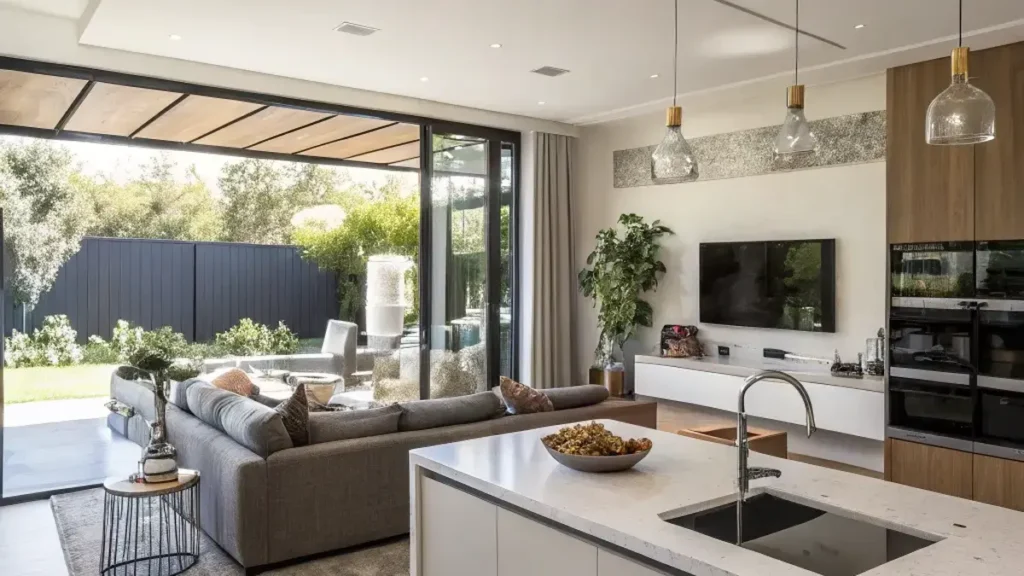
The easiest way to use modern design is to apply the same four decisions, in the same order, to one room at a time: layout first, then colour, light and texture.
Take a living room as the example. Start by fixing the layout around how the room is used: seating where conversation and viewing are comfortable, a clear route through the room, and nothing stored on surfaces simply because it has nowhere else to go.
Only when the furniture earns its place should you choose colour. A warm white or soft stone base lets you add one deeper accent — in cushions, a single chair or a piece of art — without the room feeling busy.
Next, layer the light rather than relying on one ceiling fitting: general light for cleaning and everyday tasks, a floor or table lamp for reading, and a softer light source for the evening. Finally, add texture where the room is touched: a woven throw on a smooth sofa, timber beside fabric, or ceramics against a plain wall.
The same sequence works elsewhere with different priorities. In the kitchen, layout means clear worktops and storage near the task; in the bedroom, it means rest, blackout control and bedside light; in the bathroom, it means matched containers, good mirror lighting and towels in one calm palette. The style stays modern because the decisions stay ordered, not because every room looks the same.
Frequently Asked Questions
How can I make my home look modern on a small budget?
Start with layout, decluttering and paint, which cost little but change a room quickly. Rearranging furniture, clearing surfaces, adding one plant and swapping cushion covers in a coordinated palette can refresh a space before you buy any large items.
Does modern design have to be grey and white?
No. Neutrals are a useful base, but modern homes can include warm wood, deep blue, forest green, terracotta and many other colours. The key is a limited, repeated palette rather than many competing shades in one room.
How do I stop a modern room feeling cold?
Add texture and warm materials. Layer rugs, throws and curtains, choose warm lighting, include wood and woven pieces, and display personal items such as books, art and photographs in a tidy, deliberate way.
Which room should I update first?
Begin with the room you use most, usually the living room or bedroom. Improvements there will affect your daily comfort most, and the colour and material choices you make can guide the rest of the home.
Conclusion
These modern home design ideas grow from clear layouts, a calm palette, layered light and furniture chosen for real life. Organise what you have, add texture and colour gradually, and let each room reflect how you live.