Emerging Technology Trends Shaping Everyday Life
Technology rarely changes everyday life in one dramatic moment. More often, it changes it quietly: a doorbell that shows you who is outside before you stand up, a phone that transcribes a meeting while you listen, or a watch that reminds you to move after a long morning at a desk. Taken one by one, these features seem small. Taken together, they alter how we organise our homes, our work, our health and our time.
This guide looks at the emerging technology trends shaping daily routines, not the loudest predictions — what each one does, where it helps, where it creates friction, and how to adopt new tools at a sensible pace.
Smarter Homes That Work in the Background
From gadgets to connected routines
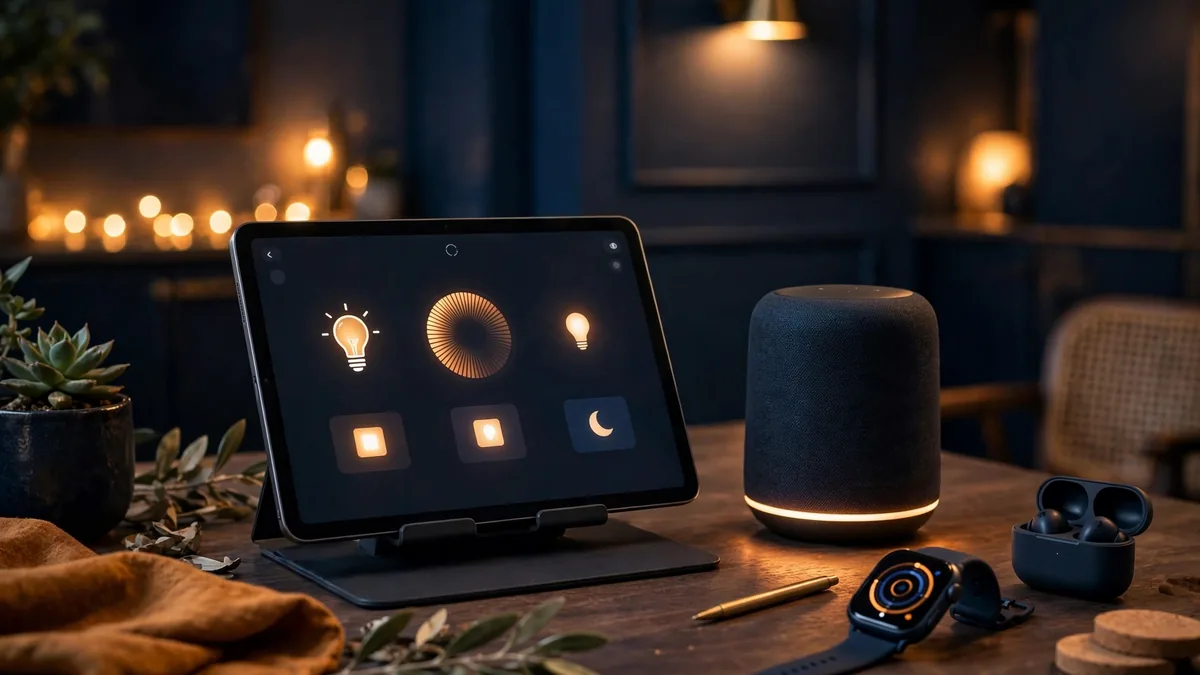
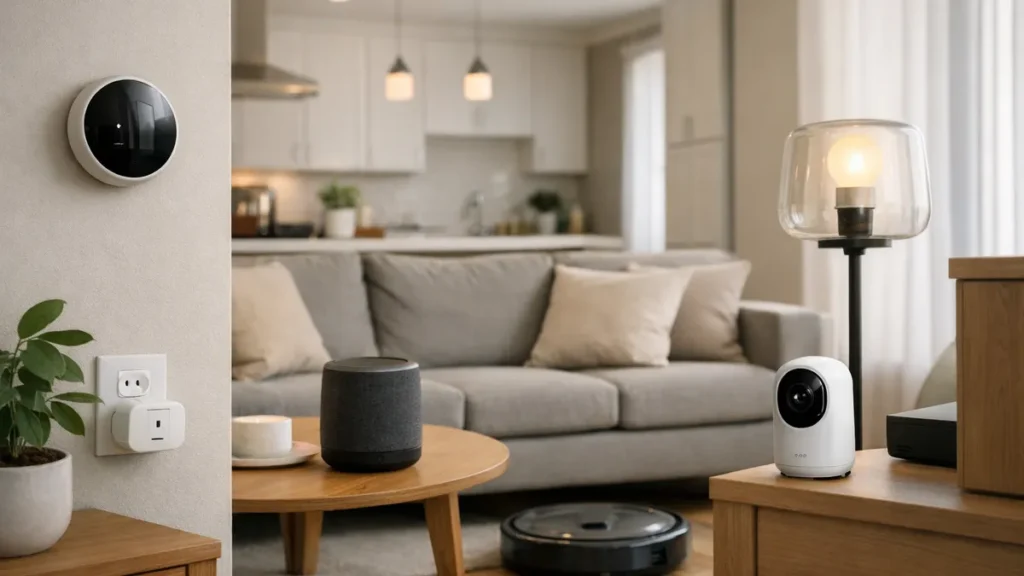
The smart home has matured beyond single novelty gadgets. The most useful setups link a handful of devices into simple routines: lights that dim in the evening, heating that adjusts before you wake, or a lock that confirms itself once you have left the house. The value is not in owning many devices. It is in reducing small, repeated decisions.
A practical way to begin is with one room and one problem. If mornings feel rushed, automated lighting and a consistent wake-up routine may help more than a house full of sensors. If energy bills are a concern, a smart thermostat or simple plug timers for energy-hungry appliances offer a clearer benefit.
Privacy and control at home
Connected devices collect information in order to work, so setup matters. Use strong, unique passwords, keep software updated, and review which devices genuinely need a microphone or camera. Turn off features you do not use. A smart home should feel calmer, not more watched.
It helps to know where the information goes. Some devices handle everything inside your home, but many send recordings or images to the provider’s computers to be processed — a voice request or a doorbell clip may be stored in your account rather than only on the device. That makes the account the real control point: protect it with a strong, unique password and two-step verification, and review what the account has saved. Check, too, who else has access. Sharing settings and guest access decide whether family members, or a previous occupant’s phone, can still view a camera feed or unlock a door. When you set up a device, work through its privacy settings once, deliberately: what is recorded, where it is kept, who can see it, and how you delete it. If a feature needs a microphone or camera you do not use, turning it off costs nothing.
Wearable Technology and Everyday Health Awareness
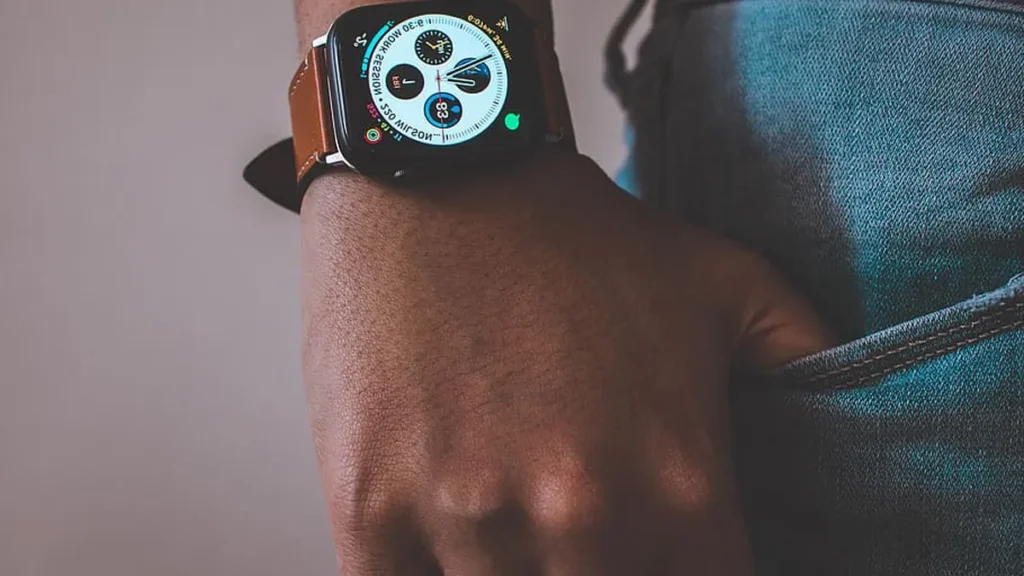
Wearable devices such as watches and fitness bands have moved from step counting towards broader awareness. Many now track sleep patterns, activity levels and reminders to stand or move. Used well, this information can prompt small, sustainable changes: a short walk after lunch, or a more regular bedtime.
The key word is trends. A single night of poor sleep tells you very little; a pattern over several weeks is far more useful. Treat wearable data as a prompt for reflection, not a diagnosis, and discuss persistent health concerns with a qualified clinician. Choose a wearable you will actually wear — comfort, battery life and clear information matter more than advanced features you will never open.
Treat Readings as Signals, Not Verdicts
Use wearable readings as prompts to notice patterns, not as proof that something is medically wrong — or medically fine. Sleep stages, readiness scores, heart-rate readings and similar figures are estimates produced by a consumer device using sensors and assumptions. Fit, movement, battery level and the way a device interprets your data can all affect the result. A change that repeats over several ordinary days may be worth paying attention to; a single surprising reading is usually a reason to check how the device was worn and how you actually feel, not a reason to panic.
Do not change medication, ignore symptoms or delay care because a wearable looks reassuring. Equally, do not let a worrying score replace proper advice. If symptoms persist, feel severe, or a reading concerns you, speak to a qualified clinician and take the device data with you as background — useful context, but not a diagnosis.
Artificial Intelligence in Ordinary Tasks
Artificial intelligence now appears in tools many people already use: photo organisers that group similar images, writing assistants that suggest a clearer sentence, calendars that propose meeting times, and customer service systems that answer routine questions. You do not need specialist knowledge to encounter it — you only need to notice where it is helping and where it is getting in the way.
Where it helps most
AI features tend to work best on repetitive, well-defined tasks: summarising a long email thread, drafting a first version of a routine message, transcribing recorded speech, or sorting photographs. They can save time on the first pass, leaving you to check, edit and decide.
Where caution is needed
AI output can be confident and still be wrong. Always verify names, dates, figures and instructions before you rely on them, especially for work, study, finance or health. Avoid entering sensitive personal or confidential information into tools unless you understand how that service handles data. Think of AI as an assistant for drafting and organising, not as a final authority.
Hybrid Work and the Connected Desk
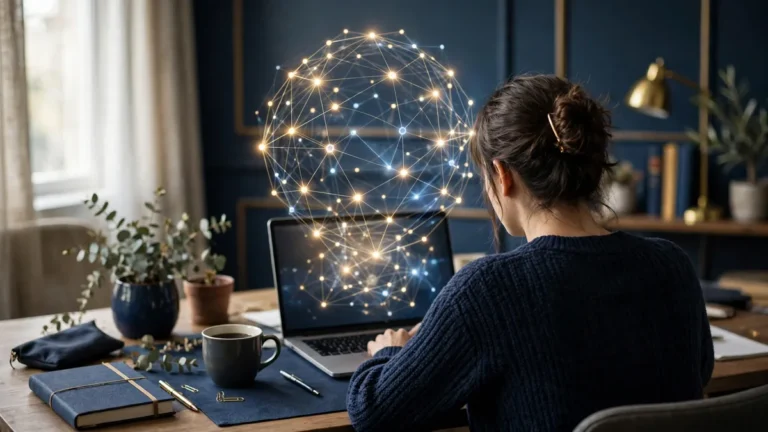
Flexible working is now an ordinary part of many jobs rather than a temporary exception, and for many people it has reorganised the day around the home as much as the office. Video calls, shared documents, messaging tools and cloud storage now form the backbone of many jobs, including roles that were once entirely office-based.
Making flexible work sustainable
Good technology alone does not make hybrid work work. Clear habits do: a shared calendar colleagues can trust, agreed response times, and meetings with a purpose and a written outcome. At home, a comfortable chair, decent lighting and a screen at a sensible height will improve your day more than fashionable accessories. It also helps to create boundaries: a shutdown routine — closing tabs and writing tomorrow’s first task — restores the end of the working day that always-available technology can quietly erase.
Digital Payments, Bookings and Greener Choices
Paying, booking and ordering have become noticeably smoother. Contactless payments, digital tickets and automatic renewals remove queues and paperwork, saving time on routine tasks. The trade-off is visibility: when spending takes one tap, it is easier to lose track. Review subscriptions regularly, keep payment confirmations, and be wary of unexpected messages asking you to confirm payment details.
Keeping Devices Longer
Sustainability is also influencing how devices are bought and kept. Many people now keep phones and laptops for longer, and extending a device’s life — replacing a battery or clearing storage — is usually the simplest greener choice. When you do buy, look for clear information about software updates, spare parts and warranty, and erase your data before recycling old equipment.
How to Adopt Emerging Technology Trends Without the Overwhelm
With so many trends competing for attention, selectivity matters most. Before adopting anything new, ask three questions:
- What specific problem does this solve for me?
- What will it cost in money, time and attention to set up and maintain?
- Can I try it in a small, reversible way first?
Start small, use a tool for a few weeks, and judge it by whether your routine is actually easier. Keep the tools that earn their place, and remove those that add notifications without adding value.
Frequently Asked Questions
Which technology trend will affect daily life most?
There is no single answer, because impact depends on your circumstances. For many households, the combination of connected home devices, wearable health awareness and AI features inside everyday apps is already changing routines more than any one headline invention.
Do I need to upgrade my devices to keep up?
Usually not. Most useful trends arrive through software updates and services that work on devices people already own. Upgrade when your current device no longer meets your needs, is no longer receiving security updates, or is costing you significant time — not simply because a newer model exists.
How can I protect my privacy as technology becomes more connected?
Use strong, unique passwords and two-step verification where available, keep software updated, review app permissions, and switch off features you do not use. Check privacy settings after major updates.
How do I stop technology from adding stress instead of reducing it?
Reduce notifications to those that genuinely need your attention, group routine tasks together, and set clear start and finish times for work tools. If a device or app creates more friction than it removes, it is reasonable to simplify or stop using it.
Conclusion
The technology trends shaping everyday life are not really about devices. They are about time, comfort, health and control. Smarter homes can remove small frustrations, wearables can encourage steadier habits, and AI can take on repetitive first drafts. Choose deliberately, set tools up carefully, protect your privacy, and keep only what improves your day.